The decision most homeowners get stuck on is not whether something is wrong. It’s whether to repair it or put that money toward a new unit. Get it wrong in one direction, and you spend $400 on a repair that buys you six months before the next breakdown. Get it wrong in the other direction, and you replace a perfectly fixable unit that has years left in it.
This guide walks you through how to make that call the right way.
Start With Your Water Heater’s Age
Age is the single most important variable in this decision, and it overrides almost everything else. A repair that makes total sense on a five-year-old unit is usually a waste of money on a twelve-year-old one.
The average lifespan of a traditional tank water heater is 8 to 12 years for gas units and 10 to 15 years for electric units. Tankless units last considerably longer, typically 15 to 20 years with proper maintenance. If your unit is inside those ranges and the problem is isolated, repair usually makes sense. If it is at or past the high end and breaking down, replacement is almost always the better investment.
Use the 50% Rule Before Spending Money.
One rule of thumb that experienced plumbers use when advising homeowners is the 50% rule. If the estimated cost of repairing the water heater exceeds 50% of the cost of replacing it with a new equivalent unit, replacement is the smarter financial move.
This matters because repair costs and replacement costs exist on a sliding scale relative to the unit’s age and remaining useful life. A $300 thermostat replacement on a four-year-old water heater is a straightforward yes. That same $300 repair on a ten-year-old unit with an estimated two or three years of life left is a harder call.
The math changes further when you factor in the energy efficiency difference between an aging unit and a modern replacement, which we cover below.
Also Read: How Often Should You Service Your Heating System?
Signs That Point Toward Water Heater Repair
-
Thermostat or Heating Element Failure
If your water is not getting hot enough or you are running out of hot water faster than usual, the thermostat or heating element on an electric unit is a common culprit. Both are replaceable components that a plumber can swap out in a few hours.
On a gas unit, similar symptoms often point to a faulty thermocouple or gas control valve, both of which are also straightforward repairs. These fixes typically run between $150 and $350, depending on parts and labor, and they solve the problem cleanly on a unit that is otherwise in good condition.
-
Sediment Buildup
Popping, rumbling, or banging sounds coming from the tank are almost always caused by sediment. Over time, minerals in the water supply settle at the bottom of the tank and harden. As water heats beneath that layer, it creates the noise you hear.
A professional flush of the tank removes the buildup and restores normal performance and efficiency. If the unit is relatively young and the flush resolves the problem, this calls for repair. You need a replacement if the sediment has been building for years and has started to pit or corrode the tank lining.
-
Faulty Pressure Relief Valve or Drain Valve
The temperature and pressure relief valve and the drain valve are both external components that can fail independently of the tank itself. A leaking T&P valve or a drain valve that will not close properly is a repairable issue. These repairs are relatively inexpensive and should not factor into a replacement decision.
-
Anode Rod Depletion
The anode rod is a sacrificial metal rod inside the tank that corrodes over time to protect the steel walls from rust. When it depletes fully, the tank walls become vulnerable. Replacing the anode rod before it fails is important.
If rusty or discolored water is appearing and the anode rod is the cause, replacing it at the right time will extend the unit’s life meaningfully. Most manufacturers recommend checking and replacing the anode rod every three to five years, though many homeowners never do this until a problem appears.
Signs That Point Toward Replacement
-
The Tank Is Leaking
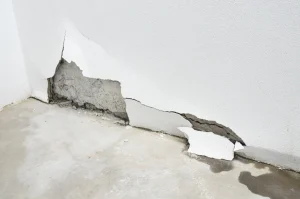
A leak from the body of the tank is the clearest sign that replacement is necessary. Tanks leak when the interior steel wall has corroded through. Continuing to run a leaking tank risks water damage to your floor, walls, and any adjacent structure, and in a finished basement, that damage can run well into the thousands of dollars.
-
Rust-Colored Hot Water
If the hot water coming from your taps is discolored or has a metallic smell, the source is usually internal tank corrosion. A quick way to test whether the water heater is the source is to run cold water from the same tap. If the cold water is clear and only the hot water is discolored, the tank is rusting from the inside and needs replacement.
-
Repeated Breakdowns
Individual repairs may each seem reasonable in isolation, but the pattern as a whole usually indicates towards water heater replacement. Add up what you have spent on repairs over the past two or three years. If that number is approaching what a replacement would cost, replace it.
-
The Unit Is Past Its Expected Lifespan
A water heater at or beyond 12 years old that is showing any of the warning signs above is almost always a replacement candidate. Even if a repair resolves the immediate problem, an aging unit will become increasingly inefficient and unreliable. The money spent on that repair is better applied toward a new installation.
A Simple Repair-or-Replace Decision Framework
If you are standing in front of a water heater that needs attention and trying to decide quickly, run through these questions in order:
- Is the tank itself leaking? If yes, replace. There is no repair for a corroded tank.
- Is the water discolored, with rust-colored hot water and clear cold water? If yes, the tank is corroding internally. Replace.
- Is the unit older than 10 years for gas or 12 years for electric? If yes, and it needs a major repair, replace it.
- Does the repair cost exceed 50% of the cost of a comparable new unit? If yes, replace.
- Has the unit needed repairs more than once in the past two years? If yes, a pattern is forming. Replace.
If none of the above apply and the unit is within its expected service life, repair it, maintain it, and schedule an annual flush to keep it running cleanly.
Get Professional Advice Before Making a Decision
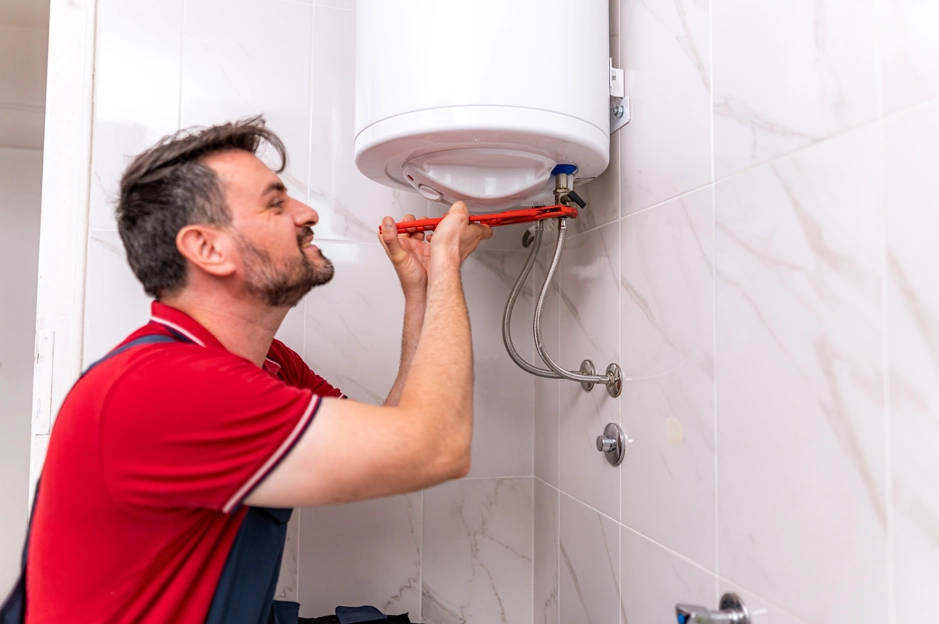
If your unit is between 8 and 12 years old and is showing any of the early warning signs above, scheduling an inspection now is worth the time. A plumber can assess the anode rod, check for early corrosion, flush the tank, and give you an honest read on how much useful life is left.
At RK Plumbing & HVAC Services LLC, our experienced plumbers repair and replace all types of water heaters. Whether your unit needs a simple repair or it’s time for a full water heater replacement, we provide honest recommendations, upfront pricing, and quality workmanship you can trust.
Contact us today to schedule a water heater inspection and restore reliable hot water to your home.