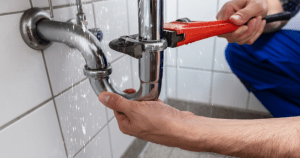
Not sure whether your old plumbing pipes are still in good shape or need replacing? Leaks, rusty water, weak pressure, and other changes often appear before aging pipes fail. Spotting these warning signs early gives you a clearer idea of when replacement becomes necessary.
Pipe age and material also matter because different types of plumbing pipes have different expected service lives. Slow drains that keep returning deserve attention when routine clearing no longer solves the problem. Frequent repairs tell a similar story when plumbing work becomes a recurring expense. At that point, pipe replacement becomes worth considering as a longer-term solution.
8 Signs Your Old Plumbing Pipes Need Replacement
Some pipe problems are easy to dismiss until they begin affecting daily routines or causing damage around the home. Plumbing in Staten Island often involves older residential systems where hidden pipe issues require attention before they become disruptive. Changes in how fixtures drain, how pipes sound, or how the piping looks reveal trouble that is not immediately obvious.
These eight signs help you recognize when your plumbing system needs closer attention.
Frequent Pipe Leaks and Water Damage
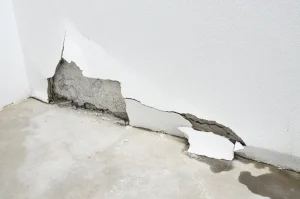
Repeated leaks are one of the clearest signs that old plumbing needs replacement. One failed connection can usually be repaired, but leaks that keep appearing in different parts of the home suggest that deterioration is affecting multiple sections. Water damage adds another warning sign. Stains on walls or ceilings, damp flooring, peeling paint, and recurring moisture often appear when leaking pipes continue to cause problems behind finished surfaces. Replacement deserves closer consideration when:
- Leaks keep returning after repairs
- Different areas develop leaks over time
- Water damage continues to spread
- Several sections require repair within a short period
Frequent failures indicate that replacing worn piping can address the broader problem instead of continuing to repair one leak at a time.
Rust, Corrosion, or Visible Pipe Deterioration
Visible corrosion gives homeowners direct evidence that their pipes are deteriorating. Flaking metal, pitting, heavy rust, and weakened sections show that the pipe material is breaking down rather than simply experiencing a temporary plumbing fault. Pay attention to how extensive the damage is.
Corrosion limited to one small connection does not necessarily mean the entire system requires replacement. Widespread rust across exposed sections provides stronger evidence that older pipes are reaching a point where replacement should be evaluated. The EPA identifies corrosion as one factor that affects the condition and performance of drinking water infrastructure.
Discolored or Rust-Tinted Water
Turn on a faucet after the water has been sitting for several hours. Yellow, orange, brown, or reddish water that repeatedly returns indicates corrosion inside older plumbing. According to the U.S. Geological Survey, iron in water often creates a rusty or reddish-brown appearance. Pipe material can contribute to this discoloration when corrosion causes material from inside the plumbing to enter the water.
| What you notice | Why it signals aging plumbing |
| Rust-colored water returns after flushing | Corrosion may be occurring inside the pipes |
| Several faucets show discoloration | More than one section of plumbing might be affected |
| Orange or brown residue appears around fixtures | Corroded piping is contributing to the residue |
| Water changes color after sitting | Material inside the plumbing may be affecting the water |
Persistent discoloration throughout the home calls for inspection. If deteriorated pipes are confirmed as the source, replacing them addresses the underlying plumbing condition rather than repeatedly flushing or cleaning individual fixtures.
Persistent Low Water Pressure
When several fixtures throughout the home begin losing water flow, old supply pipes might be contributing to the problem. Mineral deposits, corrosion, and internal buildup gradually reduce the space inside aging pipes. Restricted passages make it harder for water to move through the system, especially when the deterioration extends across multiple sections.
Persistent low pressure across several fixtures is a stronger sign of pipe deterioration than weak flow from one faucet. When cleaning aerators or replacing individual fixtures does not restore normal flow, the condition of the supply lines deserves inspection. Replacement becomes relevant when older pipes are too restricted or deteriorated to provide reliable water flow.
Clogged and Slow Drains
Gradually worsening drainage is another sign that an older drain line is becoming restricted or deteriorating. Occasional clogs often come from everyday buildup, while persistent problems across different fixtures deserve closer attention. Repeated cleaning that only restores normal flow for a short time also indicates that the underlying pipe condition needs evaluation. Several patterns show whether slow drainage is becoming a larger plumbing concern:
Slow Drains in Multiple Areas
Kitchen sinks, bathroom sinks, showers, and tubs becoming slow around the same time suggest a restriction deeper within the plumbing system. One isolated fixture might have a localized blockage, while several affected drains deserve closer attention.
Recurring Clogs After Cleaning
Clogs that return shortly after being cleared show that something remains inside the line. Persistent buildup, scale, corrosion, or pipe damage can continue restricting wastewater flow even after routine cleaning.
Water Backing Up Into Fixtures
Wastewater rising into a sink, tub, or shower indicates that drainage is struggling somewhere along the line. Recurring backups become more concerning when they occur in more than one fixture or continue after professional cleaning.
Drainage That Gradually Gets Worse
Slow drainage that keeps declining over weeks or months can indicate progressive buildup or deterioration inside older pipes. Continued restriction can eventually make routine cleaning less effective, making replacement worth discussing when the line itself has significant damage.
Also Read: Essential Plumbing Maintenance Tips for Every Season
Strange Noises Coming From the Pipes
Listen for changes in how your plumbing sounds. Banging, rattling, whistling, or gurgling occur for several reasons, including loose pipes, trapped air, pressure changes, or restricted water flow. Noise becomes more relevant as a replacement sign when it repeatedly occurs in an older system alongside other problems.
Persistent sounds combined with leaks, poor water pressure, or visible deterioration point towards pipes that deserve inspection. Identifying the source is important before deciding on replacement. If the noise comes from deteriorated or damaged piping, replacing the affected sections can resolve a problem that temporary adjustments cannot address.
Frequent Repairs on the Same Plumbing Lines
Repair costs become a warning sign when the same plumbing line keeps causing trouble. Repeated leaks, damaged connections, or new failures near previous repair sites suggest that the underlying pipe may be wearing out. Problems spreading beyond one small section provide further reason to assess the entire run. Repeated repairs do not automatically mean the whole plumbing system needs replacement, but ongoing failures make replacing the affected line more practical than continuing with temporary fixes.
Old Pipes Made From Outdated Materials
Pipe material itself can be a reason that older plumbing needs replacement. Homes built decades ago can still contain materials that were widely used at the time but have since raised durability or safety concerns. Galvanized steel, polybutylene, lead, and Orangeburg are examples of older pipe materials that deserve closer evaluation.
| Pipe material | Why replacement may need to be considered |
| Galvanized steel | Corrosion can build up inside the pipe and restrict water flow |
| Polybutylene | Older installations have known durability concerns |
| Lead | Its presence raises drinking-water safety concerns |
| Orangeburg | Aging material can deteriorate and deform over time |
Replace Worn-Out Pipes With RK Plumbing & HVAC Services
Old plumbing pipes often show warning signs before they fail. Leaks, corrosion, discolored water, weak pressure, and slow drains indicate failing pipes. Pipe age and material also help determine whether repair or replacement makes more sense. RK Plumbing & HVAC Services is licensed and insured and provides plumbing services throughout Staten Island. Our services include leak detection and repiping for homes with aging or damaged plumbing systems. We offer 24/7 plumbing service for urgent problems. Call RK Plumbing & HVAC Services today for pipe replacement in Staten Island.
Frequently Asked Questions
How do I know if my old plumbing pipes need replacement?
Frequent leaks, rust-colored water, low pressure, corrosion, and repeated repairs point to aging pipes. Pipe material and age also matter when evaluating the system. Widespread problems across the home make replacement more likely than an isolated issue.
Should I replace galvanized pipes in an old house?
Galvanized steel pipes often develop internal corrosion and buildup as they age. That buildup can restrict water flow and contribute to low pressure. Replacement becomes more practical when corrosion, leaks, or flow problems affect several sections.
Is low water pressure a sign that pipes need replacement?
Low pressure throughout the home indicates restrictions in older supply piping. Internal corrosion or buildup can reduce the available passage for water. Checking fixtures, valves, and the incoming supply first helps rule out other causes.
Can old pipes cause brown or rusty water?
Corroding iron or steel pipes contribute to reddish or brown water. Water discoloration does not automatically prove that the home’s pipes are responsible. Problems affecting several fixtures are more suggestive of a plumbing-system issue.
Why do old pipes keep leaking after repairs?
Repairs address the damaged section without necessarily changing the condition of nearby piping. Aging systems often develop additional weak points over time. Repeated failures across the same plumbing network make broader replacement worth evaluating.
Why are several drains in my house becoming slow?
Multiple slow drains can indicate a restriction affecting more than one fixture. Shared drain lines, buildup, or damaged piping can contribute to recurring drainage problems. Plumbing inspection helps identify whether the issue involves the pipes or individual fixtures.